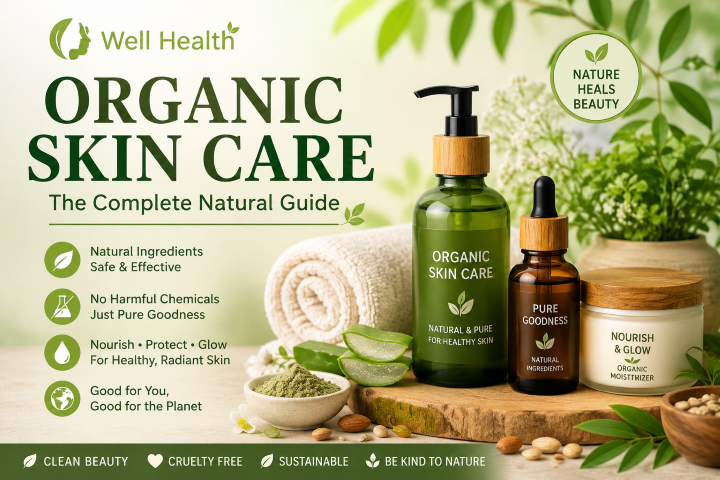
Your skin faces a daily attack. Pollution coats it. Sun rays damage it. Harsh chemicals strip it. Stress ages it. Most people fight back with more chemicals. That approach often backfires.
Well health organic skin care offers a different path. It works with your skin, not against it. This guide breaks down everything you need to know. You’ll learn the science, the ingredients, and the exact routines that work.
Let’s get started.
What Is Well Health Organic Skin Care?
Well health organic skin care means using natural, minimally processed ingredients on your skin. You skip synthetic fragrances. You skip harsh preservatives. And You skip aggressive chemical actives. Instead, you choose plant-based oils, herbal extracts, and mineral compounds.
This isn’t a trend. It’s a return to older wisdom. People used these methods for centuries before labs existed. Modern science now confirms much of what traditional healers already knew.
The core idea is simple. Your skin absorbs what touches it. Choose gentler inputs, and you get gentler outcomes. Choose harsh inputs, and your skin pays the price over time.
Why People Are Switching to Organic Skin Care
Three forces drive this shift.
- First, chemical sensitivity is rising: Synthetic preservatives and artificial fragrances trigger irritation in many people. Parabens, sulfates, and phthalates show up in ingredient lists everywhere. Some studies link these compounds to hormone disruption and skin barrier damage. Organic alternatives avoid this risk almost entirely.
- Second, consumers want transparency: People read labels now. They want to know exactly what touches their skin. A jar of raw honey has one ingredient. A jar of conventional face cream might have thirty. Simplicity builds trust.
- Third, sustainability matters more than ever: Organic skin care brands often use biodegradable packaging. They test without harming animals. They source ingredients through sustainable farming. This appeals to buyers who care about more than just their own skin.
The Science Behind Natural Ingredients
Natural doesn’t always mean effective. But many organic ingredients carry real scientific backing. Let’s look at a few standouts.
Aloe Vera
Aloe vera gel contains compounds called polysaccharides. These molecules trap moisture in the skin. Aloe also has anti-inflammatory properties. It calms redness and speeds up healing after sun exposure or minor irritation.
Turmeric
Turmeric contains curcumin. This compound fights inflammation and bacteria. Many people use turmeric masks to treat acne and reduce dark spots. Regular use can even out skin tone over time.
Honey
Raw honey pulls moisture from the air into your skin. It also has natural antibacterial properties. This makes it useful for acne-prone skin. Honey masks leave skin soft without clogging pores.
Coconut Oil
Coconut oil penetrates deep into skin tissue. It delivers fatty acids that restore the skin barrier. People with dry skin benefit the most. Note that coconut oil can clog pores on oily or acne-prone skin, so patch test first.
Rosehip Oil
Rosehip oil contains vitamin A and essential fatty acids. It helps fade scars and fine lines. Many dermatologists now recommend it as a natural alternative to retinol.
Black Seed Oil
Black seed oil is rich in antioxidants. Research points to a compound called thymoquinone. This compound fights bacteria and reduces inflammation. Many people apply it directly to treat acne breakouts.
Neem
Neem has strong antibacterial and antifungal properties. It treats acne, reduces dryness, and calms irritated skin. Ayurvedic medicine has used neem for thousands of years.
Building Your Well Health Organic Skin Care Routine
A routine works best when you keep it simple. Follow these steps every day.
Step 1: Cleanse Gently
Skip harsh, foaming cleansers. They strip your skin’s natural oils. Choose a sulfate-free cleanser instead. Look for ingredients like green tea, oatmeal, or aloe vera. These clean your skin without damaging the barrier.
You can also make a simple cleanser at home. Mix raw honey with a few drops of water. Massage it onto damp skin. Rinse with lukewarm water.
Step 2: Tone Without Alcohol
Skip alcohol-based toners. They dry out your skin and cause more oil production later. Use rose water instead. It balances your skin’s pH and shrinks the appearance of pores. Apple cider vinegar, diluted with water, works as an alternative toner too.
Step 3: Treat With a Serum
Serums deliver concentrated ingredients directly to your skin. Choose a natural serum with vitamin C, rosehip oil, or niacinamide from natural sources. Apply it after toning, while your skin is still slightly damp.
Step 4: Moisturize
Your skin needs a moisture barrier, no matter your skin type. Oily skin still needs light hydration. Dry skin needs richer creams. Choose natural moisturizers like shea butter, jojoba oil, or almond oil. These lock in hydration without clogging pores.
Step 5: Protect With Sunscreen
Sun damage causes most visible aging. Choose a mineral sunscreen with zinc oxide or titanium dioxide. These sit on top of your skin and reflect UV rays. Chemical sunscreens absorb into your skin and can trigger irritation in sensitive people.
Apply sunscreen every morning. Reapply every two hours if you’re outside.
Weekly Add-Ons for Better Results
Your daily routine handles the basics. Add these weekly steps for extra results.
- Exfoliate once or twice a week: Mix sugar with coconut oil for a gentle scrub. This removes dead skin cells and boosts circulation. Don’t over-exfoliate. It damages your skin barrier and causes irritation.
- Mask once a week: Turmeric masks fight acne and dark spots. Clay masks pull out excess oil. Honey masks hydrate and soothe. Pick the mask that matches your skin’s needs that week.
- Give yourself a facial massage: Use a natural oil and massage your face for five minutes. This boosts blood flow and helps products absorb better. It also reduces tension in your facial muscles.
Organic Skin Care by Skin Type
Not every ingredient works for every skin type. Match your choices to your skin.
Oily Skin
Choose lightweight oils like jojoba. Jojoba mimics your skin’s natural sebum, so it won’t feel heavy. Use clay masks weekly to absorb excess oil. Avoid heavy butters like shea, which can feel greasy.
Dry Skin
Choose richer ingredients like shea butter and avocado oil. These deliver deep hydration. Avoid alcohol-based toners, which dry out skin further. Apply moisturizer while your skin is still damp to lock in extra water.
Combination Skin
Treat different zones differently. Use a lighter oil on your T-zone. Use a richer cream on your cheeks. This balances oil production across your face.
Sensitive Skin
Patch test everything first. Even natural ingredients can trigger reactions in sensitive skin. Start with gentle options like aloe vera and oatmeal. Avoid strong actives like undiluted essential oils.
Acne-Prone Skin
Choose antibacterial ingredients like tea tree oil, neem, and honey. Avoid heavy oils that clog pores, like coconut oil in high concentrations. Keep your routine simple to avoid irritating already inflamed skin.
Common Mistakes to Avoid
Even with natural ingredients, mistakes happen. Watch out for these.
- Don’t skip the patch test: Natural doesn’t mean safe for everyone. Essential oils, in particular, cause reactions in sensitive people. Apply a small amount to your inner arm first. Wait 24 hours before using it on your face.
- Don’t over-layer products: More isn’t always better. Stick to a few key steps. Layering too many products can overwhelm your skin and cause breakouts.
- Don’t ignore expiration dates: Natural products often lack synthetic preservatives. This means they spoil faster. Check for changes in smell, color, or texture. Throw out anything that seems off.
- Don’t expect instant results: Natural skin care works gradually. Give any new routine at least four to six weeks before judging results. Your skin needs time to adjust and heal.
- Don’t forget diet and sleep: No cream fixes a poor diet or chronic sleep deprivation. Your skin reflects your overall health. Drink enough water. Eat foods rich in vitamin C and omega-3 fatty acids. Sleep seven to eight hours a night.
Diet and Lifestyle Support Your Skin
Skin care isn’t just about what you apply. What you consume matters just as much.
- Hydration comes first: Water flushes toxins from your body and keeps skin cells plump. Aim for at least eight glasses a day. Herbal teas count toward this total too.
- Vitamin C builds collagen: Citrus fruits, bell peppers, and strawberries all deliver vitamin C. Collagen keeps your skin firm and reduces the appearance of fine lines.
- Omega-3 fatty acids reduce inflammation: Fish, walnuts, and flaxseeds all contain omega-3s. These fats support your skin’s barrier and reduce redness.
- Sleep repairs your skin: Your body produces new collagen while you sleep. Poor sleep shows up as dullness and dark circles. Prioritize consistent, quality sleep.
- Stress management prevents breakouts: Cortisol, the stress hormone, triggers oil production and inflammation. Practice deep breathing, light exercise, or meditation to keep stress levels in check.
DIY Recipes You Can Try Today
Here are five simple recipes using ingredients from your kitchen.
- Honey and Oatmeal Cleanser Mix two tablespoons of ground oatmeal with one tablespoon of raw honey. Massage onto damp skin for one minute. Rinse with warm water.
- Turmeric and Yogurt Mask Mix half a teaspoon of turmeric with two tablespoons of plain yogurt. Apply to your face and leave for ten minutes. Rinse thoroughly, since turmeric can stain skin temporarily.
- Sugar and Coconut Oil Scrub Mix two tablespoons of sugar with one tablespoon of melted coconut oil. Gently scrub in circular motions. Rinse with warm water.
- Rose Water Toner Pour pure rose water into a spray bottle. Spritz onto clean skin after cleansing. Let it absorb before applying serum or moisturizer.
- Aloe Vera Gel for Sunburn Cut open a fresh aloe vera leaf. Apply the gel directly to sunburned or irritated skin. Reapply as needed throughout the day.
Choosing Organic Skin Care Products
Making everything from scratch isn’t realistic for most people. When you buy products, check the label carefully.
Look for short ingredient lists. A long list of unpronounceable chemicals is a red flag. Check for certifications like USDA Organic or Ecocert. These confirm the product meets specific organic standards.
Avoid products with “fragrance” listed as a single ingredient. This term can hide dozens of undisclosed chemicals. Choose products that list essential oils by name instead.
Check for cruelty-free and vegan labels if those values matter to you. Many organic brands prioritize ethical testing practices.
The Long-Term Benefits
Switching to well health organic skin care pays off over time. Your skin barrier strengthens. Irritation decreases. Your natural glow returns without relying on makeup to fake it.
Beyond your skin, this shift often changes your whole approach to wellness. People who switch to organic skin care often improve their diet too. They drink more water. They pay closer attention to sleep and stress. Skin care becomes a gateway to broader self-care.
This approach also protects the environment. Organic farming uses fewer pesticides. Biodegradable packaging reduces landfill waste. Every small choice adds up.
Organic Skin Care Through the Seasons
Your skin’s needs shift as the weather changes. A routine that works in summer often fails in winter. Adjust your approach with the seasons.
Winter Care
Cold air holds less moisture. Indoor heating dries the air further. Your skin loses water fast during these months. Switch to a richer moisturizer, like shea butter or cocoa butter. Skip harsh cleansers that strip natural oils. Add a hydrating serum with hyaluronic acid from natural sources before you moisturize. Drink warm herbal teas to support hydration from the inside too.
Your lips and hands suffer most in winter. Apply a natural lip balm with beeswax and coconut oil. Use thick hand cream after every wash. Wear gloves outside to block cold wind.
Summer Care
Heat and humidity increase oil production. Sweat mixes with oil and clogs pores. Switch to lighter products during summer. Use a gel-based moisturizer instead of a heavy cream. Cleanse twice a day to remove sweat and buildup.
Sun exposure peaks in summer. Reapply mineral sunscreen every two hours if you’re outdoors. Wear a hat for extra protection. After sun exposure, apply aloe vera gel to cool and soothe your skin.
Monsoon and Humid Weather
Humidity creates a breeding ground for bacteria and fungus. Acne breakouts often spike during this season. Keep your skin clean and dry. Use a lightweight, non-comedogenic moisturizer. Avoid heavy oils that trap moisture against your skin.
Add a clay mask once a week during humid months. This pulls excess oil and prevents clogged pores. Keep your skincare tools, like brushes and sponges, clean and dry between uses.
Spring Transition
Spring brings pollen and allergens. Sensitive skin often reacts with redness and itching. Simplify your routine during this transition. Stick to gentle, fragrance-free products. Introduce new products slowly, one at a time, so you can identify any triggers.
Men’s Well Health Organic Skin Care
Skin care isn’t only for women. Men’s skin tends to be thicker and oilier due to higher testosterone levels. This means men often need slightly different care.
Start with a gentle, natural face wash. Avoid bar soap, which can dry out facial skin. Follow with a lightweight, oil-free moisturizer. Men who shave should apply a natural aftershave, like witch hazel, to calm irritation and prevent ingrown hairs.
Beard care matters too. Use a natural beard oil with jojoba or argan oil. This softens facial hair and moisturizes the skin underneath. Brush your beard daily to distribute the oil evenly and prevent flaking.
Natural Skin Care for Different Age Groups
Your skin’s needs evolve as you age. Adjust your routine to match your life stage.
Teens and Early 20s
Focus on gentle cleansing and oil control. Hormonal changes often trigger acne during this stage. Avoid harsh scrubs that irritate active breakouts. Use honey and tea tree oil for their antibacterial properties.
30s
Fine lines start to appear. Add antioxidant-rich ingredients like vitamin C and rosehip oil. These fight free radical damage and support collagen production. Keep your sunscreen habit consistent to prevent further damage.
40s and Beyond
Skin loses elasticity and moisture faster during this stage. Choose richer moisturizers with ingredients like avocado oil and shea butter. Facial massage becomes more valuable here, since it boosts circulation and supports firmness. Consistency matters more than ever at this stage.
Debunking Common Myths About Organic Skin Care
Misinformation spreads fast in the skin care world. Let’s clear up a few myths.
- Myth: Organic products never expire: This is false. Without synthetic preservatives, natural products often spoil faster than conventional ones. Store them properly and check for changes in smell or texture.
- Myth: Natural ingredients can’t cause allergies: This is false too. Plant-based ingredients trigger allergic reactions just like synthetic ones. Always patch test before full use.
- Myth: You need expensive products for real results: Price doesn’t determine effectiveness. Many powerful ingredients, like honey and turmeric, cost very little. Expensive packaging doesn’t guarantee better results.
- Myth: Organic skin care works overnight: Natural remedies work gradually. They rebuild your skin’s health over weeks and months. Anyone promising overnight transformation with natural products is likely exaggerating.
How to Transition From Chemical to Organic Products
Switching all at once can shock your skin. Take a gradual approach instead.
Start by replacing one product at a time. Swap your cleanser first. Give your skin two weeks to adjust before changing your moisturizer. This slow transition helps you spot any reactions early.
Expect a short adjustment period. Your skin might purge for one to two weeks as it detoxes from old products. This is normal. Breakouts during this phase usually clear up on their own.
Keep a simple journal. Note which products you use and how your skin reacts. This helps you identify what works and what doesn’t over time.
Frequently Asked Questions
Is organic skin care more expensive than conventional products? Not always. Many effective ingredients, like honey, turmeric, and coconut oil, sit in your kitchen already. DIY recipes cost far less than store-bought conventional products.
How long before I see results? Most people notice changes within four to six weeks. Deeper changes, like reduced scarring or firmer skin, take a few months of consistent use.
Can organic skin care treat serious skin conditions? Organic ingredients help with mild issues like dryness, minor acne, and dullness. For serious conditions like cystic acne, eczema, or psoriasis, talk to a dermatologist. Natural remedies can support treatment, but they shouldn’t replace medical care.
Is natural always safer than synthetic? No. Some natural ingredients, like undiluted essential oils, cause strong reactions. Always patch test new products, regardless of their origin.
What’s the single best ingredient to start with? Aloe vera works for almost every skin type. It hydrates, soothes, and rarely causes irritation. Start there if you’re new to organic skin care.
Building a Sustainable Skin Care Habit
Consistency beats intensity. A simple three-step routine done daily beats a ten-step routine done once a week. Pick products you’ll actually use every single day.
Keep your routine visible. Store your products where you’ll see them, like on your bathroom counter. Out of sight often means out of mind. Set a phone reminder if you struggle with consistency at first.
Track your progress with photos. Take a picture of your skin once a week, in the same lighting. This helps you notice gradual changes that are easy to miss day to day. Comparing week one to week eight often shows a clear difference.
Avoid switching products too often. Your skin needs time to respond to any new ingredient. Give each product at least a month before deciding whether it works. Constant switching makes it impossible to know what’s actually helping.
Final Thoughts
Well health organic skin care isn’t about perfection. It’s about small, consistent choices. Swap one harsh product for a natural alternative. Add one weekly mask. Drink a bit more water each day.
Your skin changes slowly, but it changes for good. Give it time, give it the right ingredients, and it will reward you with a healthy, natural glow.
Start today. Your future skin will thank you.