

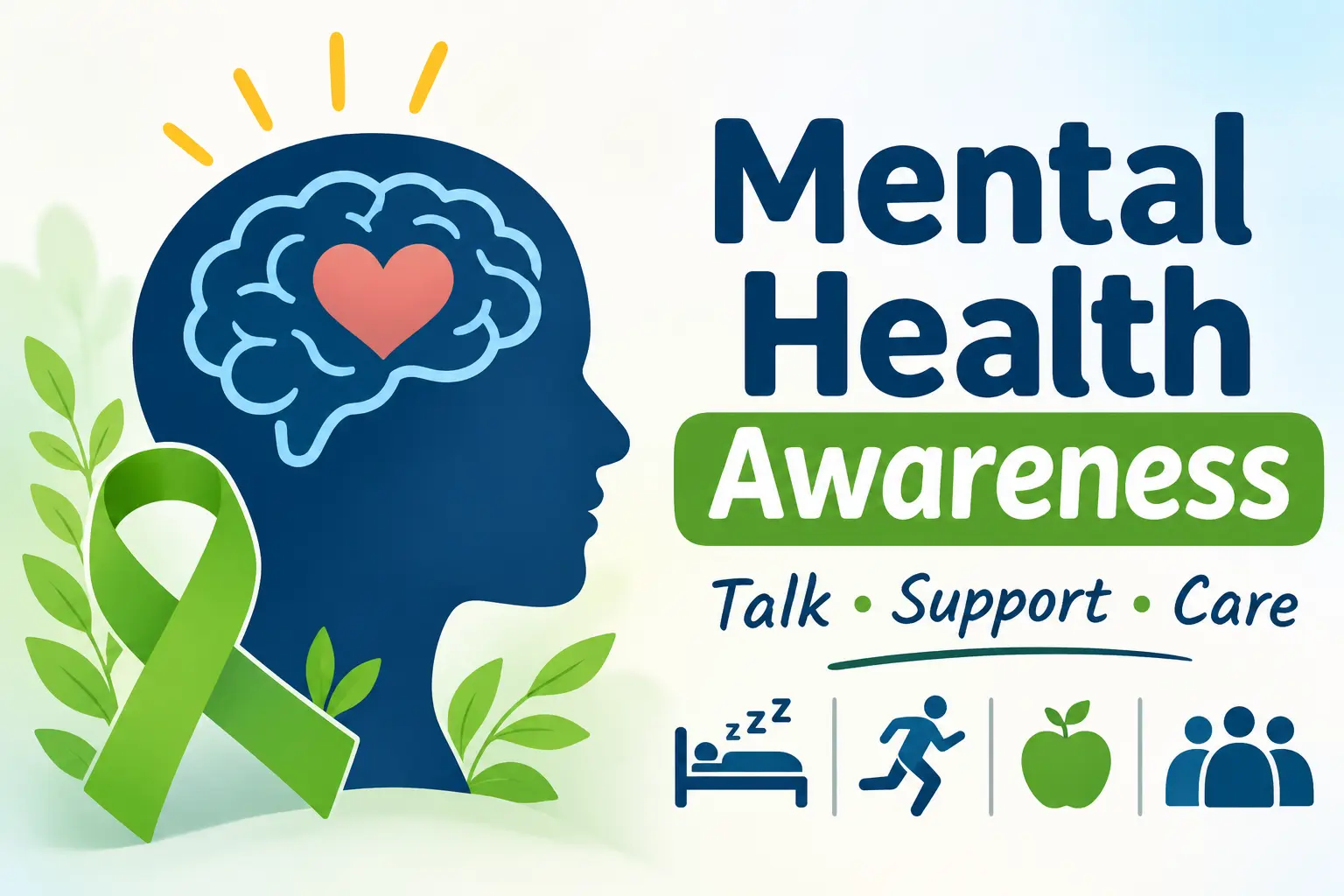
Mental health is an important part of living a healthy and balanced life. It affects how people think, feel, behave, communicate, make decisions, and deal with everyday challenges. Just like physical health, mental health deserves attention, care, and understanding. However, many people still hesitate to discuss emotional difficulties because of social pressure, fear of judgment, or a lack of information.
This is why mental health awareness is so important. It helps people understand their emotional well-being, recognize possible warning signs, learn about available support, and encourage others to speak openly about their experiences. Awareness also helps communities replace harmful myths with facts and create environments where people feel comfortable asking for help.
Mental health challenges can affect people of different ages, backgrounds, professions, and financial situations. Students may experience academic pressure, employees may struggle with workplace stress, parents may face family responsibilities, and older adults may experience loneliness or major life changes. Every person’s experience is different, and there is no single solution that works for everyone.
What Is Mental Health Awareness?
Mental health awareness means understanding the importance of mental well-being and learning how emotional, psychological, and social factors influence everyday life. It encourages people to recognize mental health concerns, understand that seeking help is normal, and treat people experiencing difficulties with respect.
Mental health is not simply the absence of a mental illness. It also involves the ability to manage everyday pressures, maintain relationships, make decisions, learn new things, and participate in personal and community life.
According to the World Health Organization, mental health is an important part of overall well-being. It influences how people cope with stress, use their abilities, learn, work, and contribute to their communities.
Mental health awareness encourages several positive actions:
- Learning accurate information about mental health.
- Understanding emotional and psychological well-being.
- Recognizing when someone may need additional support.
- Challenging negative stereotypes about mental illness.
- Encouraging open conversations without judgment.
- Improving access to professional mental health services.
- Supporting people during difficult periods of life.
Awareness does not mean diagnosing someone based on their behavior. It means understanding that emotional difficulties deserve attention and that qualified professionals can provide appropriate guidance.
Why Is Mental Health Awareness Important?
Mental health awareness matters because it can help people understand their experiences and find support before difficulties become more serious. It also encourages families, schools, workplaces, and governments to take mental well-being seriously.
Here are some important reasons why awareness matters.
1. It Encourages Early Help-Seeking
Many people ignore emotional difficulties because they believe the situation will improve automatically. Some may feel embarrassed to discuss their feelings, while others may not know where to find support.
Awareness helps people understand that asking for help is a positive step. When someone recognizes that ongoing emotional distress is affecting daily activities, they may feel more comfortable speaking with a qualified professional.
Early support can help people understand their situation and explore suitable ways to manage their difficulties.
2. It Reduces Social Stigma
Stigma remains one of the major barriers to mental health support. People experiencing mental health challenges may face unfair treatment, negative comments, or misunderstanding.
For example, someone experiencing depression may be told to stop thinking negatively or simply become more positive. Such comments can make a person feel misunderstood.
Mental health awareness helps replace these attitudes with empathy, accurate information, and respect.
A mental health condition does not define a person’s character, intelligence, abilities, or value.
3. It Improves Emotional Understanding
People experience different emotions throughout life. Happiness, sadness, anger, worry, disappointment, and excitement are all part of the human experience.
Understanding emotions helps people recognize their feelings and respond to difficult situations more thoughtfully.
For example, someone who understands their stress triggers may identify situations that increase pressure and consider healthier ways to respond.
Emotional understanding does not mean avoiding difficult feelings. It means learning to recognize and manage them in a constructive way.
4. It Strengthens Relationships
Healthy relationships depend on communication, trust, understanding, and emotional support.
When people understand mental health, they may become better at listening to family members, friends, colleagues, and partners.
Instead of judging someone for becoming quiet or withdrawing from social activities, they can offer support and encourage an honest conversation.
Good communication can help people feel heard and respected.
5. It Supports Students and Young People
Students experience different pressures during their education. Examinations, competition, family expectations, friendship problems, bullying, and uncertainty about the future can affect emotional well-being.
Mental health education in schools and colleges can help students understand stress, build healthy relationships, and learn when to seek support.
Teachers and parents also benefit from awareness because they may recognize when a student needs additional attention.
6. It Creates Healthier Workplaces
Workplace stress can affect concentration, motivation, relationships, and job satisfaction.
Organizations that promote mental health awareness can encourage respectful communication, reasonable workloads, supportive management, and access to appropriate resources.
Employees should feel that discussing work-related stress will not automatically result in embarrassment or unfair treatment.
7. It Builds Supportive Communities
Mental health is not only an individual responsibility. Families, educational institutions, employers, healthcare providers, and communities all have a role.
Public awareness campaigns, accessible counselling services, and community education can help people find reliable information and appropriate support.
Common Mental Health Challenges People Should Understand
Mental health challenges can take different forms. Understanding common concerns can help people recognize when professional guidance may be useful.
The following examples are educational descriptions, not tools for self-diagnosis.
1. Stress
Stress is a response to demanding or challenging situations. Short-term stress can sometimes help people respond to responsibilities. However, ongoing or overwhelming stress may affect sleep, concentration, mood, and physical well-being.
Common sources of stress include:
- Work responsibilities.
- Financial difficulties.
- Academic pressure.
- Family disagreements.
- Major life changes.
- Relationship problems.
- Uncertainty about the future.
People respond to stress differently. Some may become irritable, while others may experience difficulty concentrating or sleeping.
Identifying stress triggers and seeking support can help people explore healthier coping strategies.
2. Anxiety
Anxiety involves feelings of worry, nervousness, or fear. These feelings are common before important events, but persistent or excessive anxiety may interfere with everyday activities.
Some people experience physical symptoms such as a racing heartbeat, muscle tension, restlessness, or difficulty sleeping.
Anxiety-related conditions can vary in their symptoms and impact. A qualified mental health professional can help determine whether someone’s experiences require assessment or treatment.
3. Depression
Depression is more than feeling sad after a difficult day. It can involve persistent changes in mood, interest, energy, thinking, and everyday functioning.
Possible signs include:
- Ongoing sadness or emptiness.
- Loss of interest in usual activities.
- Changes in sleep patterns.
- Difficulty concentrating.
- Low energy.
- Feelings of worthlessness or excessive guilt.
- Changes in appetite.
- Difficulty managing everyday responsibilities.
Not everyone experiences the same symptoms. Anyone concerned about persistent or distressing changes should consider speaking with a healthcare professional.
4. Burnout
Burnout is commonly associated with prolonged workplace stress that has not been successfully managed. It can involve exhaustion, increased mental distance from work, and reduced professional effectiveness.
People experiencing burnout may feel constantly tired, disconnected from their responsibilities, or unable to maintain their usual level of performance.
Rest, workplace changes, support, and professional guidance may all be relevant depending on the situation.
5. Loneliness
Loneliness can affect people even when they live with others or have regular social contact.
It may develop after moving to a new place, losing a loved one, changing jobs, ending a relationship, or experiencing social isolation.
Building meaningful connections and participating in activities can help some people feel more connected. Professional support may also help when loneliness becomes overwhelming.
6. Emotional Difficulties in Teenagers
Teenagers experience physical, social, emotional, and educational changes. They may struggle with peer pressure, body image, online comparisons, academic expectations, or family conflicts.
Adults should listen without immediately criticizing or dismissing their concerns.
Persistent changes in behavior, sleep, social activities, or school performance may be reasons to seek professional guidance.
Warning Signs That Someone May Need Mental Health Support
Recognizing possible warning signs is an important part of mental health awareness. However, one behavior alone does not prove that someone has a mental health condition.
Some possible signs include:
- Noticeable changes in mood or behavior.
- Persistent sadness, worry, or irritability.
- Withdrawing from family and friends.
- Losing interest in previously enjoyable activities.
- Ongoing difficulty sleeping.
- Major changes in appetite.
- Difficulty concentrating or making decisions.
- Feeling overwhelmed by ordinary responsibilities.
- Increased use of alcohol or other substances to cope.
- Expressing hopelessness or feeling like a burden.
The duration, severity, and impact of these experiences matter.
If symptoms are severe, persistent, or interfering with daily life, a person should consider speaking with a qualified healthcare professional.
If someone talks about suicide or appears to be in immediate danger, take the situation seriously. Stay with them if it is safe, contact emergency services, and seek urgent professional support.
Practical Ways to Improve Mental Health and Emotional Well-Being
Maintaining mental well-being involves everyday habits, supportive relationships, and access to appropriate healthcare when needed.
There is no perfect routine for everyone. Small, realistic changes may be easier to maintain than attempting to change everything at once.
1. Maintain a Healthy Sleep Routine
Sleep plays an important role in physical and emotional well-being.
Irregular sleep schedules and insufficient rest can affect mood, energy, and concentration.
Consider these habits:
- Maintain a consistent bedtime.
- Wake up at a regular time.
- Reduce screen use before sleeping.
- Create a comfortable sleeping environment.
- Avoid excessive caffeine late in the day.
- Develop a relaxing bedtime routine.
Adults generally need around seven to nine hours of sleep, although individual needs vary.
If sleep problems continue, consider discussing them with a healthcare professional.
2. Stay Physically Active
Physical activity can support both physical and mental well-being.
Walking, cycling, dancing, swimming, stretching, and other enjoyable activities can help people include movement in their routines.
You do not need an expensive gym membership to begin.
Try starting with a short walk or gentle movement and gradually increase activity according to your ability.
People with medical limitations should seek appropriate guidance before beginning a new exercise routine.
3. Eat Balanced and Regular Meals
Nutrition is another part of overall well-being.
Eating regular, balanced meals can help maintain energy throughout the day. Include a variety of vegetables, fruits, whole grains, protein sources, and other foods that meet your nutritional needs.
Stay hydrated and notice how caffeine and alcohol affect your sleep and mood.
Food is not a replacement for mental health treatment, but healthy eating habits can support general health.
4. Talk About Your Feelings
Keeping every difficult feeling inside can make it harder to understand what is happening.
Talking with someone trustworthy may provide emotional support and help you feel less isolated.
You could speak with:
- A trusted friend.
- A family member.
- A teacher or mentor.
- A counsellor.
- A qualified mental health professional.
Choose someone who listens respectfully and does not pressure you to share more than you feel comfortable discussing.
5. Practice Relaxation Techniques
Relaxation activities can help some people manage everyday stress.
Examples include:
- Slow breathing exercises.
- Meditation.
- Gentle stretching.
- Listening to calming music.
- Spending time outdoors.
- Reading.
- Journaling.
- Practicing mindfulness.
Try different activities and identify what feels comfortable.
These methods can support well-being but should not replace professional treatment when treatment is needed.
6. Set Realistic Goals
Trying to complete too many tasks can create unnecessary pressure.
Break large responsibilities into smaller steps. Decide which tasks are most important and allow yourself time to rest.
For example, instead of planning to complete an entire project in one evening, divide it into manageable activities.
Celebrate progress rather than expecting perfection.
7. Build Healthy Social Connections
Positive social relationships can provide encouragement, companionship, and practical support.
Make time to connect with people you trust. You could meet a friend, call a relative, join a community group, or participate in a hobby.
Quality matters more than the number of people in your social circle.
8. Take Breaks From Social Media
Social media can help people communicate and discover useful information. However, excessive use may contribute to comparison, distraction, online pressure, or exposure to upsetting content.
Consider:
- Limiting unnecessary screen time.
- Unfollowing accounts that regularly make you feel uncomfortable.
- Avoiding constant comparisons with other people.
- Taking breaks from notifications.
- Making time for offline activities.
Use digital platforms in ways that support rather than dominate your daily life.
9. Spend Time on Activities You Enjoy
Hobbies can create opportunities for relaxation, creativity, and personal satisfaction.
You might enjoy gardening, cooking, music, photography, sports, drawing, or spending time with family.
Choose activities that feel meaningful rather than treating hobbies as another responsibility.
10. Seek Professional Help When Needed
Self-care is useful, but it cannot solve every mental health concern.
A psychologist, psychiatrist, counsellor, or other appropriately qualified healthcare professional can help assess concerns and discuss suitable options.
Depending on individual needs, support may include psychotherapy, medication, lifestyle guidance, or other interventions.
There is no shame in seeking professional help.
Mental Health Awareness Among Students
Students face several academic and personal challenges. Examinations, assignments, competition, peer relationships, family expectations, and career decisions may create pressure.
Mental health awareness in schools and colleges helps students understand that emotional well-being is an important part of education.
Academic Pressure
Many students feel that their future depends entirely on examination results. This belief can create unnecessary fear and pressure.
Schools and families should encourage students to learn, develop skills, and make progress without judging their entire value through marks.
Bullying and Peer Pressure
Bullying can affect confidence, relationships, and a student’s sense of safety.
Schools should establish clear reporting systems and encourage respectful behavior.
Students should know that asking a teacher, counsellor, or trusted adult for help is acceptable.
Social Media Pressure
Young people may compare their appearance, achievements, lifestyle, or popularity with carefully selected online content.
Parents and teachers can help students understand that social media does not show the complete reality of someone’s life.
The Role of School Counselling
Access to trained counsellors can provide students with a safe place to discuss personal, academic, and emotional concerns.
Schools can also arrange awareness sessions, anti-bullying programs, peer-support activities, and workshops about stress management.
Mental Health Awareness in the Workplace
Workplaces influence employees’ daily experiences and can affect their well-being.
Long working hours, unclear expectations, poor communication, workplace conflict, and unreasonable workloads may contribute to stress.
Employers can support mental well-being through practical measures.
Encourage Open Communication
Managers should create an environment where employees can discuss challenges respectfully.
People should not be mocked or unfairly treated for discussing work-related stress.
Promote Work-Life Balance
Organizations can encourage reasonable working hours, suitable breaks, and realistic deadlines.
Employees also benefit from using leave and making time for activities outside work.
Provide Mental Health Resources
Companies can share information about counselling services, employee assistance programs, and other appropriate support options.
Train Managers
Managers should learn how to communicate respectfully, identify possible signs of distress, and direct employees toward suitable support.
They should not attempt to diagnose or treat employees.
Prevent Workplace Harassment
A respectful workplace should have clear policies against discrimination, bullying, and harassment.
Employees need reliable ways to report concerns and access support.
How Families Can Support Mental Health
Families can make a meaningful difference by creating environments where people feel safe discussing difficult experiences.
Support does not always require finding the perfect words. Often, listening with patience is a helpful starting point.
Listen Without Judging
Allow people to explain what they are experiencing.
Avoid immediately criticizing their choices or comparing their problems with someone else’s difficulties.
Avoid Hurtful Statements
Comments such as “just be happy” or “you are overthinking everything” may make someone feel dismissed.
Instead, use supportive language and acknowledge that their feelings matter.
Encourage Professional Support
If a family member experiences persistent or severe difficulties, encourage them to speak with a qualified professional.
Offer practical help with finding services or arranging an appointment if they want assistance.
Respect Personal Boundaries
People may not feel ready to discuss everything immediately.
Respect their privacy while continuing to show care and availability.
Learn About Mental Health Together
Families can read reliable information, attend awareness programs, and discuss mental health without turning every conversation into a judgment about someone’s behavior.
How Communities Can Promote Mental Health Awareness
Communities can help reduce stigma and improve access to mental health information.
Awareness should extend beyond one annual event. It should become part of regular education, healthcare, and community activities.
Organize Awareness Campaigns
Community organizations, schools, colleges, and healthcare providers can arrange workshops and public discussions.
Campaigns can explain common mental health concerns, available services, and the importance of respectful communication.
Share Reliable Information
Online platforms make it easy to share health information, but not every post is accurate.
Communities should prioritize information from recognized healthcare organizations and qualified professionals.
Improve Access to Counselling
Affordable and accessible services are important, especially in rural and underserved areas.
Governments and institutions can support community-based mental health programs and connect people with professional services.
Encourage Peer Support
Support groups can provide opportunities for people with shared experiences to connect.
However, peer support should complement rather than replace professional care when needed.
Promote Inclusive Language
People should be treated with dignity regardless of their mental health history.
Avoid using mental health conditions as insults or jokes.
Mental Health Awareness in India
Mental health awareness is particularly important in India because people from different communities may face barriers when looking for support.
These barriers can include limited access to services, financial concerns, lack of information, social stigma, and shortages of trained professionals in some locations.
Improving mental health education and access to services can help address these challenges.
India has introduced several initiatives to strengthen mental healthcare.
National Mental Health Programme
The National Mental Health Programme aims to improve mental healthcare access and strengthen services across the country.
It includes efforts to integrate mental health services into the broader healthcare system.
Tele-MANAS: Mental Health Support in India
Tele-MANAS is India’s National Tele Mental Health Programme.
It provides round-the-clock tele-mental health support and helps connect people with counselling and further services when required.
People in India can contact the Tele-MANAS helpline using:
14416 or 1800-89-14416
The service is available 24 hours a day, seven days a week. Language availability depends on the service arrangements.
This can be a useful starting point for people seeking mental health support without immediately visiting a healthcare facility.
Mental Health Education in Schools and Colleges
Educational institutions can help students learn about emotions, stress, relationships, and available support.
Teachers, counsellors, and parents can work together to create safer and more understanding learning environments.
Community-Based Support
Local healthcare facilities and community programs can improve access to information and professional services.
Public awareness is most effective when people also know where to find reliable help.
Mental Health Awareness Campaigns and Their Role
Mental health awareness campaigns help bring important conversations into public spaces.
These campaigns may use social media, educational events, public discussions, posters, workshops, and community activities.
Their main purpose is to make mental health information easier to understand and encourage supportive behavior.
World Mental Health Day
World Mental Health Day is observed every year on October 10.
It provides an opportunity for governments, organizations, healthcare professionals, and communities to discuss mental health and promote better access to support.
Schools and workplaces can use this occasion to organize educational activities and encourage open conversations.
Social Media Awareness Campaigns
Social media can help spread reliable information to large audiences.
People can share educational posts, professional resources, awareness videos, and information about available services.
However, campaigns should avoid spreading unverified medical advice or encouraging people to diagnose themselves through online quizzes.
Community Workshops
Workshops can help people understand common mental health concerns and learn how to respond supportively when someone is struggling.
They can also explain how to contact professional services.
Common Myths About Mental Health
Incorrect beliefs can discourage people from seeking support. Understanding the facts is an important part of mental health awareness.
Myth 1: Mental Health Problems Are a Sign of Weakness
Fact: Mental health conditions are health concerns, not evidence of personal weakness. They can affect people with different personalities, backgrounds, and abilities.
Myth 2: Only Adults Experience Mental Health Challenges
Fact: Children, teenagers, adults, and older people can all experience mental health difficulties.
Myth 3: Talking About Mental Health Makes Problems Worse
Fact: Respectful conversations can help people feel heard and encourage them to seek appropriate support.
Myth 4: People Should Manage Every Problem Alone
Fact: Support from friends, family members, counsellors, and healthcare professionals can be valuable.
Myth 5: Self-Care Can Replace Professional Treatment
Fact: Healthy habits can support well-being, but some mental health concerns require professional assessment and treatment.
Myth 6: Mental Health Conditions Cannot Improve
Fact: Many people benefit from appropriate treatment, support, and recovery plans. Individual experiences and outcomes vary.
The Role of Technology in Mental Health Awareness
Technology has changed how people access information and mental health services.
Online platforms can help individuals learn about emotional well-being, discover support services, and communicate with professionals.
Online Counselling
Telehealth services can make it easier for some people to connect with mental health professionals.
They may be especially useful for people who have difficulty travelling or live far from specialist services.
Mental Health Applications
Some applications provide tools for journaling, relaxation, meditation, mood tracking, and habit development.
Users should check privacy policies, the credibility of the provider, and whether an application makes unsupported medical claims.
An application should not replace professional assessment or emergency care.
Educational Websites
Trusted health websites can provide information about symptoms, treatment options, and ways to find support.
Readers should prefer established medical and public health organizations over anonymous posts and unverified advice.
Responsible Use of Digital Platforms
Technology should support well-being rather than create additional pressure.
Users can set screen-time limits, protect personal information, and avoid sharing sensitive health details on untrusted platforms.
How to Start Your Own Mental Health Awareness Campaign
You do not need a large organization or a major budget to encourage positive conversations.
Individuals, schools, colleges, and community groups can organize simple awareness activities.
Here are some practical steps.
Step 1: Choose a Clear Message
Decide what you want people to learn. Your campaign could focus on reducing stigma, supporting students, understanding stress, or finding professional help.
Step 2: Identify Your Audience
Consider whether your campaign is intended for students, parents, employees, teachers, or the wider community.
Step 3: Use Reliable Sources
Check educational material against recognized health organizations and qualified professionals.
Step 4: Organize Educational Activities
Arrange discussions, presentations, workshops, and information-sharing sessions.
Step 5: Invite Qualified Professionals
Mental health professionals can help explain important topics and correct common misconceptions.
Step 6: Share Support Resources
Provide accurate information about counselling services, healthcare facilities, and helplines.
Step 7: Encourage Respectful Conversations
Make sure participants understand the importance of privacy, empathy, and non-judgmental communication.
Step 8: Review Your Results
Ask participants for feedback and identify which activities were useful.
Frequently Asked Questions About Mental Health Awareness
1. What is mental health awareness?
Mental health awareness means understanding mental well-being, learning about mental health conditions, recognizing possible warning signs, reducing stigma, and encouraging people to seek appropriate support.
2. Why is mental health awareness important?
It helps people understand their emotions, recognize when they may need help, challenge harmful stereotypes, and support friends, family members, and colleagues.
3. What are the main goals of mental health awareness?
The main goals include improving education, reducing discrimination, encouraging early help-seeking, promoting emotional well-being, and making professional support easier to access.
4. How can I improve my mental health naturally?
Healthy habits such as regular physical activity, balanced meals, adequate sleep, meaningful social connections, relaxation, and enjoyable hobbies can support general well-being. Persistent or severe difficulties may require professional care.
5. What are the common signs of mental health difficulties?
Possible signs include persistent sadness, excessive worry, changes in sleep, withdrawal from social activities, reduced interest in usual activities, and difficulty managing daily responsibilities. A qualified professional can assess these concerns.
6. How can students maintain good mental health?
Students can create realistic study schedules, take regular breaks, maintain healthy routines, develop supportive friendships, and talk to trusted adults or counsellors when they need help.
7. How can parents support their children’s mental health?
Parents can listen patiently, maintain open communication, avoid unnecessary pressure, encourage healthy routines, and seek professional guidance when concerns persist.
8. What is the role of social media in mental health awareness?
Social media can spread educational information and connect people with support resources. However, misleading content, cyberbullying, and excessive comparison can also create difficulties.
9. When should someone seek professional mental health support?
Someone should consider professional support when emotional or behavioral difficulties are persistent, severe, distressing, or interfering with daily activities and relationships.
10. What is Tele-MANAS in India?
Tele-MANAS is India’s national tele-mental health support service. People can contact it at 14416 or 1800-89-14416 for round-the-clock support.
11. When is World Mental Health Day observed?
World Mental Health Day is observed annually on October 10. It encourages public education, awareness, and action on mental health.
12. Can mental health awareness reduce stigma?
Yes. Accurate education, respectful conversations, and positive community support can challenge harmful stereotypes and make it easier for people to seek help.
Conclusion: Make Mental Health Awareness Part of Everyday Life
Mental health deserves the same attention and respect as physical health. It affects how people think, feel, communicate, work, study, and build relationships. Understanding mental well-being is therefore important for individuals, families, educational institutions, workplaces, and communities.
Mental health awareness helps people recognize emotional difficulties, understand common mental health concerns, challenge harmful stereotypes, and find appropriate support. It also reminds us that people should never be judged or treated unfairly because they are experiencing mental health challenges.
Small actions can make a meaningful difference. Listening without judgment, sharing reliable information, supporting students, creating healthier workplaces, and encouraging professional help can all contribute to a more understanding society.
Mental health awareness should not be limited to one campaign or one day each year. It should be part of everyday conversations and community life.
Remember that asking for help is a sign of taking care of yourself. If you or someone you know is experiencing persistent emotional distress, consider reaching out to a qualified mental health professional. In India, Tele-MANAS is available at 14416 or 1800-89-14416, 24 hours a day.
A healthier society begins when people feel safe to speak, receive support, and live with dignity.
