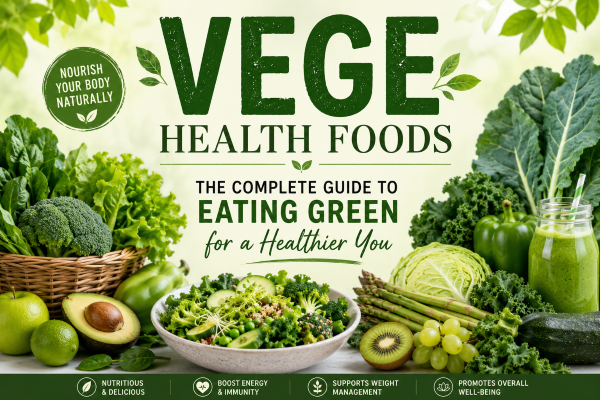
Eating well does not have to be hard. If you want more energy, better digestion, and a stronger body, one of the easiest places to start is with vege health foods. These are simple, plant-based foods that give your body real fuel, without a lot of fuss.
In this guide, we will look at what vege health foods are, why they are good for you, and how you can add more of them to your meals. We will keep the words simple and the ideas clear, so anyone can follow along, whether you are just curious or ready to make a big change.
What Are Vege Health Foods?
The term vege health foods simply means foods that come from plants and are good for your health. This includes:
- Fresh vegetables (like spinach, broccoli, and carrots)
- Fruits (like apples, berries, and bananas)
- Whole grains (like brown rice, oats, and quinoa)
- Legumes (like beans, lentils, and chickpeas)
- Nuts and seeds (like almonds, walnuts, and chia seeds)
- Healthy plant fats (like olive oil and avocado)
You do not need to be fully vegan or vegetarian to enjoy vege health foods. Many people simply add more of these foods to their daily meals while still eating some meat, fish, or dairy. The goal is balance, not a strict rule.
Why Vege Health Foods Matter
Our bodies need a mix of nutrients to work well. Vege health foods are packed with vitamins, minerals, fiber, and plant compounds that help your body in many ways. Here is why they matter so much.
1. They Are Rich in Fiber
Fiber is a type of carb that your body cannot fully digest. Instead, it moves through your gut and helps keep things moving smoothly. Most vege health foods, like beans, oats, and leafy greens, are high in fiber. This helps with:
- Regular digestion
- Feeling full for longer
- Keeping blood sugar steady
- Supporting a healthy gut
Most people do not eat enough fiber. Adding more plant foods to your day is one of the easiest ways to fix this.
2. They Support Heart Health
Many studies point to plant-based diets being generally lower in saturated fat and cholesterol, which can help reduce the risk of heart disease. Foods like nuts, seeds, and whole grains are also full of heart-friendly fats and fiber. Swapping some fried or fatty foods for vege health foods can be a simple way to protect your heart over time.
3. They Can Help With Weight Management
If you are trying to manage your weight, vege health foods can help. Research suggests that people eating more plant-based foods tend to have lower body mass indexes compared to meat-eaters, which may help lower the risk of weight-related health problems. This does not mean you need to cut out other foods completely. It simply means filling more of your plate with plants tends to help you feel satisfied on fewer calories.
4. They May Support Mood and Mental Health
Food does not just affect your body. It also affects your mind. Some research has found that people eating more plant-based meals scored better on mood and depression tests than those eating a typical mixed diet. While food is not a cure for mental health struggles, eating well is one small piece of feeling good day to day.
5. They Are Full of Antioxidants
Colorful fruits and vegetables are loaded with antioxidants. These are natural compounds that help protect your cells from damage. Berries, tomatoes, peppers, and leafy greens are some of the best sources. Eating a rainbow of vege health foods each day is an easy way to get a wide range of these protective compounds.
6. They Are Good for the Planet Too
This is a bonus, not the main point, but it is worth mentioning. Producing many plant foods generally requires fewer natural resources than producing animal-based foods, making a plant-heavy diet an environmentally friendly option. So when you eat more vege health foods, you are doing something good for your body and for the earth at the same time.
The Best Vege Health Foods to Add to Your Diet
Here is a simple list of some of the best vege health foods you can start eating today.
Leafy Greens
Spinach, kale, and mustard greens are packed with vitamins A, C, and K. They are also low in calories and high in fiber. Mustard greens are especially rich in vitamin K and offer anti-inflammatory and antioxidant benefits. Add a handful of greens to soups, sandwiches, or smoothies for an easy nutrient boost.
Whole Grains
Brown rice, oats, and quinoa are great sources of steady energy. Quinoa is often called the “mother grain” and is high in iron, calcium, and fiber, along with magnesium, copper, and manganese. Try swapping white rice or white bread for whole grain versions to get more nutrients with each meal.
Legumes
Beans, lentils, and chickpeas are some of the best plant-based protein sources. They are cheap, easy to cook, and very filling. A bowl of lentil soup or a chickpea salad can keep you full for hours.
Nuts and Seeds
Almonds, walnuts, and chia seeds are small but powerful. They are full of healthy fats, protein, and fiber. A small handful makes a great snack, or you can sprinkle seeds on top of yogurt, oatmeal, or salads.
Root Vegetables
Sweet potatoes, carrots, and beets are full of natural sugars, fiber, and vitamins. They are also very filling, which makes them a great choice if you are trying to eat less processed food.
Mushrooms
Mushrooms have become a big trend in recent food news, and for good reason. Rich in nutrients, some small studies have shown that eating more mushrooms is associated with improved mood and cognition, though more research is still needed. They are also low in calories and add a nice, meaty texture to meals.
Fermented Foods
Foods like kimchi, sauerkraut, and plant-based yogurt are good for gut health. Gut-friendly foods such as yogurt, kefir, kimchi, and sauerkraut are gaining more attention as people focus on health and wellness. A healthy gut can help with digestion, mood, and even your immune system.
Fresh Fruit
Apples, berries, oranges, and bananas are easy to grab and go. They are naturally sweet, so they can help cut down on sugary snacks and desserts.
A Simple Vege Health Foods Meal Plan
You do not need to plan every meal perfectly. Here is a simple one-day example to show how easy it can be.
Breakfast: Oatmeal with banana slices, chia seeds, and a spoon of nut butter
Lunch: A big salad with spinach, chickpeas, cherry tomatoes, and olive oil dressing
Snack: A handful of almonds and an apple
Dinner: Brown rice with roasted sweet potatoes, broccoli, and a lentil curry
Dessert (optional): A small bowl of mixed berries
This kind of day is full of fiber, vitamins, and protein, all from vege health foods. You do not need anything fancy to eat well.
Tips for Adding More Vege Health Foods to Your Life
Making a big change all at once can feel hard. Instead, try these small steps.
- Start with one meal a day: Pick breakfast or lunch and make it fully plant-based. Once that feels easy, add another meal.
- Add, don’t just remove: Instead of thinking about what to cut out, think about what to add. Toss some beans into your soup or add spinach to your pasta.
- Keep it simple: You do not need special recipes. Roasted vegetables with olive oil and salt are already tasty and healthy.
- Buy what’s in season: Seasonal fruits and vegetables often taste better and cost less.
- Stock your pantry: Keep canned beans, oats, rice, and frozen vegetables on hand so healthy meals are always quick to make.
- Watch for hidden junk food: Not everything labeled “plant-based” is healthy. Just being vegan does not guarantee a food is healthy — highly processed vegan snacks with lots of sugar, refined grains, and artificial ingredients can still harm your health. Try to stick with whole, less-processed vege health foods most of the time.
- Don’t aim for perfect. Even small changes matter. Eating a few more plant meals each week is still a big win for your health.
Common Questions About Vege Health Foods
Do I have to go fully vegetarian or vegan to get the benefits? No. Many people see real health benefits just by adding more plant foods to their meals, even if they still eat meat sometimes.
Will I get enough protein from plant foods? Yes, as long as you eat a variety of foods. Beans, lentils, nuts, seeds, and whole grains all provide protein. Eating a mix of these throughout the day gives your body what it needs.
Are vege health foods more expensive? Not usually. Basic foods like rice, oats, beans, and seasonal vegetables are some of the cheapest foods you can buy. Fancy plant-based products can cost more, but whole foods are budget-friendly.
How long does it take to notice a difference? Some people notice better digestion and more steady energy within a couple of weeks. Bigger changes, like heart health or weight, usually show up over a few months of steady habits.
Final Thoughts
You do not need to overhaul your whole diet overnight. Adding more vege health food to your meals, even a little at a time, can help your heart, your gut, your mood, and your energy. Start small. Add a vegetable here, swap a grain there, and build habits that feel easy to keep.
Good health does not come from one perfect meal. It comes from small, steady choices, made day after day. Vege health foods make those choices simple, affordable, and, most importantly, something you can stick with for the long run.